


As I was working this morning, an email notification from LinkedIn flew past. It was the latest edition of The Payoff, a LinkedIn newsletter published by the folks at PYMNTS. The headline that caught my eye was “Click to Cancel Subscription Rule Quashed in Federal Court.”
If you haven’t heard, the FTC was set to enact what’s officially known as the Negative Option Rule, making it significantly easier to cancel a subscription. “Negative option” refers to a charge that repeats until you actively stop it. The Negative Option Rule is now on hold for the foreseeable future.
Why are companies so eager to cling to their subscriptions, whether their customers want them or not? In a word (well, two words), recurring revenue.
That got me thinking about my time at Jack Henry. I was there when they decided to offer Symitar (then known as Episys), an on-premise solution, in a hosted environment. In fact, I came up with the name EASE (Episys as a Service) for the hosted offering, a name which I believe is still in use today. Anyhow, my point here is that this was very attractive financially for the company, because it resulted in very predictable, very substantial recurring revenue. It’s basically a steady paycheck for the company providing the subscription.
In short, recurring revenue is a good thing. And in B2B situations, it’s generally a good deal for both sides. B2C is a different animal, though. You need to sell a hell of a lot of “underpants-of-the-month” subscriptions to generate enough recurring revenue to match one credit union running Symitar in a hosted environment. That means the underpants company is highly incentivized to hold onto as many subscriptions as possible.
How big is the problem? It’s hard to say, but consider these points:
A joint study by Stanford University and Texas A&M University called Selling Subscriptions claimed that “business revenues can be 14% to over 200% higher than they would be if consumers were more proactive about managing their unwanted accounts.”
According to a survey published just last month by Self Credit Builder, Americans are wasting an average of $32.84 per month on unused paid subscriptions.
A survey published last year by YouGov asked consumers in different countries about their unused subscriptions. 44% of Americans claimed to have none, and 12% claimed they didn’t know. That leaves 44% who had from one to “more than five” subscriptions that they weren’t using.
It’s not just the little fly-by-night outfits that are at fault. Have you ever tried to cancel a SiriusXM subscription? It took me six years to cancel mine. Each year, I’d call to cancel, and someone would talk me out of it with a ridiculously cheap price “that was only good for a year.” The next year, when the bill jumped to full price, the process would repeat.
This year, I decided I’d had enough. My Ridgeline has wireless CarPlay, and I pay for premium Spotify, so XM really serves no purpose. And just to make sure a human being didn’t try to talk me out of it, I decided to cancel online. Except, when you cancel XM online, they won’t let you go until you’ve had a chat session with a live agent. I had to assure this individual three or four times that yes, I really did want to cancel my subscription. Jeez.
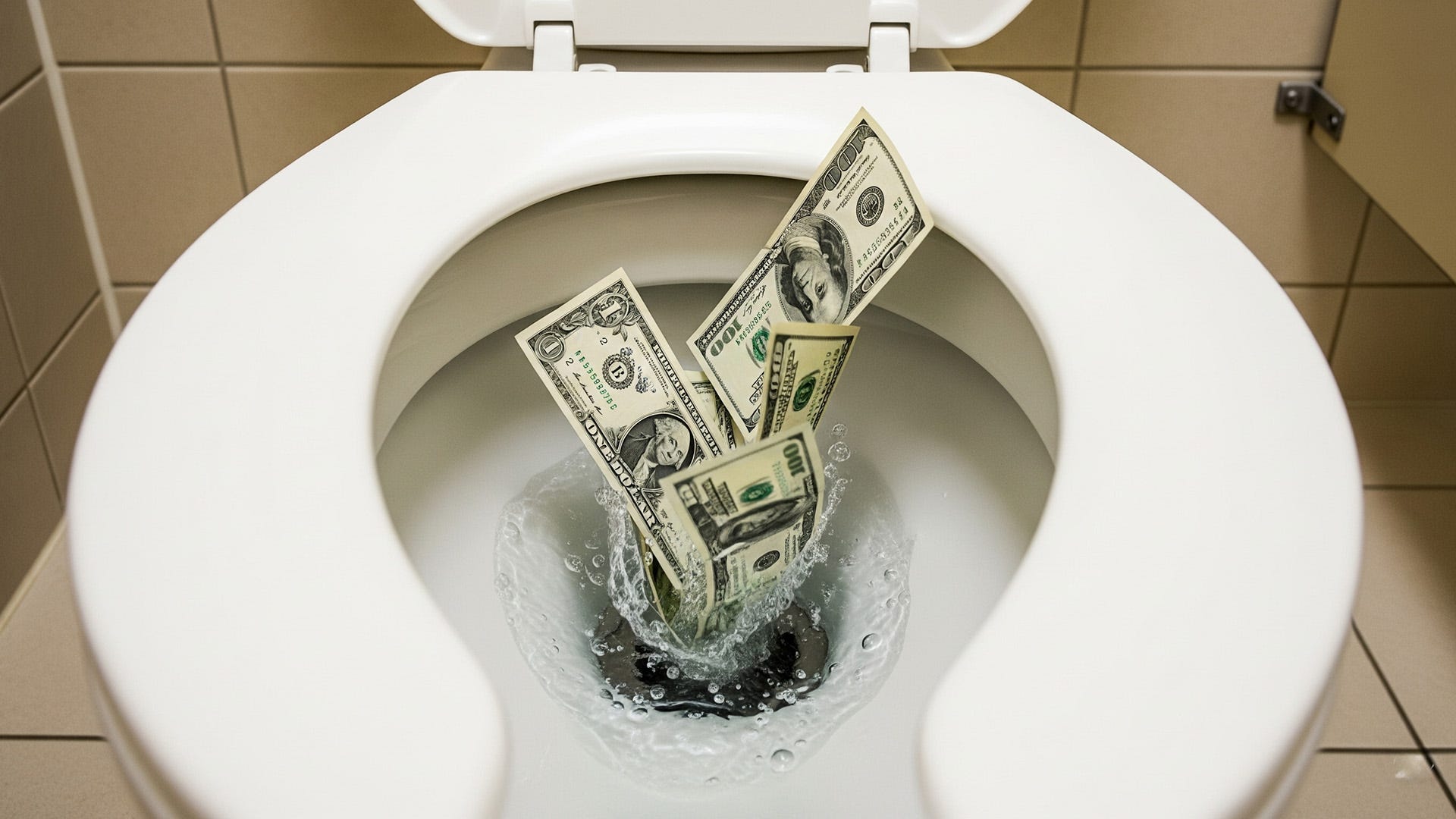
The bottom line is that consumers – including your members, if you work at a credit union – are needlessly flushing money down the toilet month in and month out. Given the evidence noted above, it’s not hard to imagine this could total billions each year.
What’s a credit union to do? I know one option. Last April, I published an article about how Service Credit Union partnered with a company called ScribeUp to bake RocketMoney-style subscription management right into the credit union’s digital banking platform. That seems like a good start.